
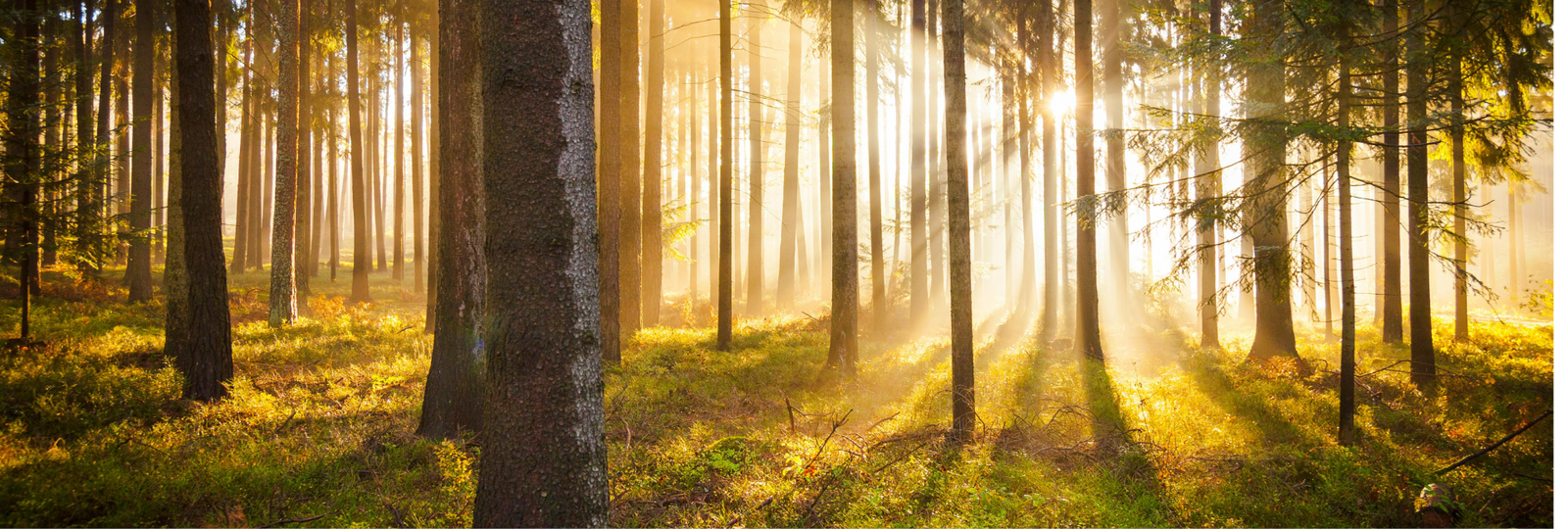
How to Boost Wellbeing (Even If You Live in a Town)Finding Peace in Nature
A Girlfriend Guru Heart-to-Heart
If you’ve been searching for ways to boost Wellbeing but feel a bit stuck because you live in a busy town, surrounded by concrete and corner shops, lovely… grab your jacket and come along with me.
You don’t need rolling hills, county estates, or a cottage with roses climbing up the front door.
You just need tiny doses of nature — moments of green, calm, light, and fresh air — woven gently into your everyday life.
Because here’s the secret no one tells you:
Your nervous system doesn’t need a forest; it just needs a break.
Let’s talk about how nature supports your wellbeing, how to reconnect with it when life feels stressful, and — most importantly — how to do it even when you live somewhere noisy, busy, or entirely green-space deprived.
How Nature Calms You So Quickly and can Boost Wellbeing
You know that little sigh your body lets out when you step outside?
The one that feels like your shoulders drop an inch and your mind softens just slightly?

That’s your nervous system recognising:
“Oh… safety. Exhale now.”
Here’s what happens when you connect with nature — even briefly:
-
your stress hormones lower
-
and your breathing slows
-
then your heart rate steadies
-
and your mind stops spinning
-
your mood rises
-
and your creativity returns
-
then your thoughts become clearer
-
and you reconnect with your body
Nature isn’t just “nice” — it’s medicinal.
We evolved in nature.
Our brains recognise:
-
sunlight
-
leaves
-
birdsong
-
flowing water
-
open sky
…as signs we’re safe.
This is why a five-minute walk can sometimes do more for you than an hour of scrolling self-help quotes.
“But I Live in a Town, Not a Forest…”
Yes, and so do most people!
And the good news?
You don’t need a forest, and you don’t even need a proper park.
All you need is a tiny interruption of the indoors.
A moment where you step out of the artificial world and reconnect with something natural.
Let me show you how — gently, realistically, in true Girlfriend Guru fashion.
Tiny Nature Rituals You Can Do Anywhere
Think of these as “micro-moments of peace.”
They’re perfect for busy women, tired women, overwhelmed women, and women who can’t take long countryside walks on a Wednesday morning.
1. Step into the daylight — even for 60 seconds
Stand outside your front door.
Don’t go anywhere.
Just feel daylight on your face, breathe once deeply, and let the world be bigger than your thoughts.
That’s nature.
That counts.
2. Open a window (yes, really — that’s enough to boost wellbeing)
Fresh air resets your mind.
You don’t realise how stale indoor air becomes until you let a cool breeze in.
Stick your head out like a curious cat if you want — no judgement.
3. Find the nearest tree
Every town has one tree.
Even if it’s in a car park or behind a bus stop.
Touch the bark.
Notice the leaves.
Lean on it if you’re feeling bold.
Trees calm the nervous system dramatically — it’s called “grounding,” and it’s real.
4. Look up at the sky
You don’t even need greenery.
The sky is free and always available.
Cloud-watching, star-watching, colour-watching — all grounding, all calming.

5. Bring nature inside
If you can’t get out, bring the outside in:
-
houseplants (even one!)
-
herbs on the windowsill
-
a vase with supermarket flowers
-
a bowl of lemons or limes
-
nature wallpaper on your laptop
Your brain responds to it the same way to boost wellbeing.
The Therapeutic Power of a “Slow Walk”
I’m not talking about exercise here.
No speed-walking.
Definatley not taking 10,000 steps.
And absolutley no performance.
A slow walk — genuinely slow — is one of the best things you can do to boost your wellbeing.
Here’s how to do it:
-
Walk without rushing
-
Don’t aim to “get anywhere”
-
Notice: sounds, sensations, temperature
-
Let your mind wander
-
Look at plants, flowers, birds, the sky, the shape of buildings
-
Let the pace of nature slow the pace of your thoughts
This isn’t a workout.
It’s meditation disguised as movement.
And the best part?
You can do it in:
-
town centres
-
housing estates
-
high streets
-
parks
-
supermarket car parks
-
canal paths
-
cemeteries (strangely peaceful!)
Anywhere in fact, and it can boost your wellbeing at the same time.
If You’re Feeling Down, Nature Helps More Than You Think
When you’re sad or flat, going out feels impossible.
The sofa has a gravitational pull.
Your heart feels heavy.
You don’t want to see anyone.
You don’t want to “act fine.”
But nature doesn’t require anything from you.
There’s no need to talk.
You don’t have to perform.
And you don’t have to smile.
Nature just receives you.
And being outside shifts your emotional chemistry — literally:
-
more serotonin
-
more dopamine
-
less cortisol
-
less rumination
You don’t need to “feel better” before going outside.
Going outside helps you feel better.

The Magic of Water (Even If It’s a Duck Pond)
Water has a unique impact on the human brain.
It slows your thoughts, lowers anxiety, and creates a feeling of spaciousness.
If you live near:
-
a river
-
a canal
-
a fountain
-
a lake
-
a duck pond
-
even a puddle
…go and stand by it for a moment.
Water calms you in ways you’ll feel immediately.
Even running your hands under warm water at home can soothe your nervous system.
Small… but powerful.
Nature Helps You Think — Without Forcing It
Lovely, you know how sometimes you can’t think straight indoors?
Your brain goes foggy, mushy, overwhelmed?
Nature clears the fog.
You’ll notice:
-
you make better decisions
-
your thoughts slow down
-
your emotions soften
-
you see solutions you missed before
That’s because nature widens your mental perspective.
It makes problems feel smaller and possibilities feel bigger.
Nature Brings You Back to Yourself
When life gets loud — responsibilities, messages, family needs, mental clutter — you lose the quiet voice inside you.
Nature brings her back.
She’s the voice that says:
“I need rest.”
“I want something different.”
“This isn’t working for me.”
“I deserve better.”
“I’m proud of myself.”
You can hear her in silence.
In birdsong.
Through the wind.
And sparkling in the sunlight.
Nature reconnects you with your intuition — your truest compass.
You Don’t Need to “Do Nature” Perfectly
You really don’t need to:
-
meditate under a tree
-
buy hiking boots
-
drink herbal tea
-
start birdwatching (unless you want to — they’re adorable)
-
journal your outdoor thoughts
-
exercise
Step outside and look at the sky.
Just open a window a fraction and breathe.
Just notice the natural world around you.
Nature isn’t perfection.
It’s presence and helps boost wellbeing.
And your nervous system LOVES presence.
Final Thought: Nature Holds You Gently, No Matter Where You Live
Whether you live in a flat, a terrace, a high-rise, or a little house on a busy road…
there is nature around you.
In the wind and sky. Even a single leaf dancing across the floor in the fresh air. A potted plant, highlighted by the sunshine and the sounds from singing birds.
And every time you choose to touch nature — even briefly — you touch peace.
You deserve that peace, my friend, and it’s yours for the taking.
You deserve moments of calm that belong only to you.
And remember, nature is always waiting… patiently… to give them to you.
Do you wants more posts like this? The read on:
The Power of Gratitude
Now, you may be wondering: “How does something so simple as a ‘thank you wave’ have such profound effects?” Well, let’s look at some research! Studies have shown that cultivating gratitude can lead to significant improvements in well-being. For instance, a study published in Psychological Science found that participants who practised gratitude reported fewer depressive symptoms and greater life satisfaction (Wood, Froh, & Geraghty, 2010). Click here to read the full post